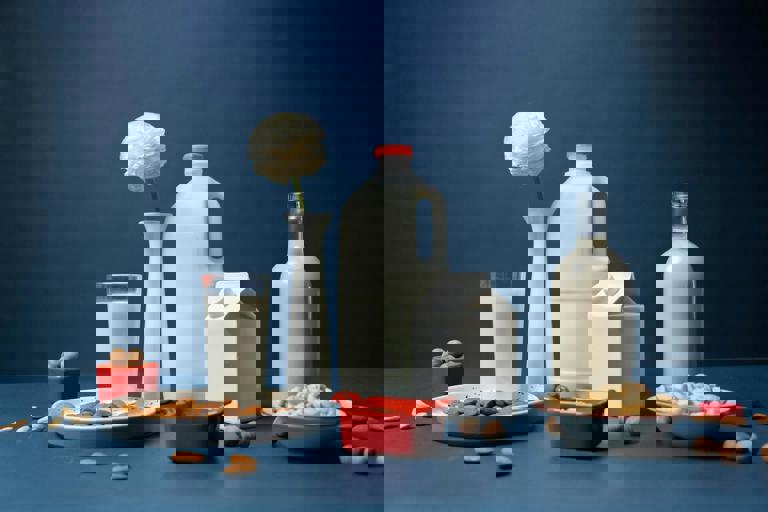
Milk prices across the UK have surged to record highs this spring, leaving consumers and retailers grappling with the consequences of a complex web of supply chain disruptions and increasing costs. Dairy industry leaders are raising the alarm about the sustainability of current price trends, emphasizing that these issues are part of a longer-term pattern rather than a temporary blip. The upward trajectory in milk prices has caused widespread concern among families and businesses alike, with many wondering how long these high costs will persist.
At the heart of these price increases are soaring input costs faced by dairy farmers. Over the past year, the UK has experienced notable spikes in the prices of animal feed, energy, fuel, and fertiliser. According to the National Farmers' Union (NFU), feed costs alone have risen by more than 30% compared to last year. This creates significant financial pressure on producers, who must seek higher returns just to maintain their operations amidst mounting expenses.
Adding to the stress on the sector are ongoing supply chain disruptions brought about by a combination of factors. Post-Brexit trade changes have led to increased paperwork and border checks, causing delays and unpredictability in deliveries. The COVID-19 pandemic exacerbated these issues, resulting in labour shortages and logistical bottlenecks. Many dairy producers have reported difficulties in obtaining essential equipment and processing components on time, further hampering their ability to meet market demand.
Retailers are also feeling the pinch, forced to pass on higher costs to consumers. Supermarkets across the UK have reported successive price hikes on fresh milk, cheese, and other dairy products. Some chains have expressed concern about maintaining competitive pricing without sacrificing supplier relationships. "We face a delicate balancing act," said Sarah Goldsmith, a senior buyer for a national grocery chain. "Supporting farmers while protecting shoppers from excessive price increases is a real challenge right now."
Consumer advocacy groups have stepped forward, warning that vulnerable households are being disproportionately affected by these developments. Charity representatives stress that staples like milk are essential to family diets, and rising prices may force some families to make difficult nutritional choices. The Trussell Trust, which runs food banks throughout the UK, has noted a marked increase in requests for dairy products in recent months. This surge reflects the strain that high prices are placing on low-income communities.
Despite the challenges, dairy farmers insist that higher prices are not translating into increased profits. According to a recent survey conducted by the Royal Association of British Dairy Farmers, 67% of respondents said their margins had either shrunk or remained stagnant over the past year, due to relentless increases in overheads. "We’re not thriving—we’re just surviving," said John Barker, a dairy farmer in Lincolnshire. "Unless there is concerted action on supply chain reforms and cost controls, more farms will be at risk of closure."
Industry experts warn that the current situation could have far-reaching consequences for the wider UK food system. If dairy farms continue to close, the UK may have to rely increasingly on imports to meet domestic demand. This could make the country more susceptible to fluctuations in global markets and foreign supply chain disruptions. Such a scenario could further undermine price stability and limit the availability of fresh, locally produced dairy for British consumers.
Government agencies are under mounting pressure to intervene and support the struggling sector. The Department for Environment, Food and Rural Affairs (DEFRA) has announced a review of agricultural support schemes to assess whether additional measures are needed. While some officials have expressed optimism about a possible turnaround, others caution that any meaningful intervention will require consultations with farmers, supply chain partners, and retailers to ensure solutions are both effective and sustainable.
For now, consumers are urged to brace for continued volatility in the price of milk and other dairy essentials. Experts say recovery will depend on the successful resolution of supply chain bottlenecks, stabilisation of input costs, and broader reforms aimed at protecting the national dairy industry. As the nation awaits clearer answers, the future of both UK dairy farmers and the affordability of their products hangs in the balance, demanding attention from policymakers and stakeholders alike.