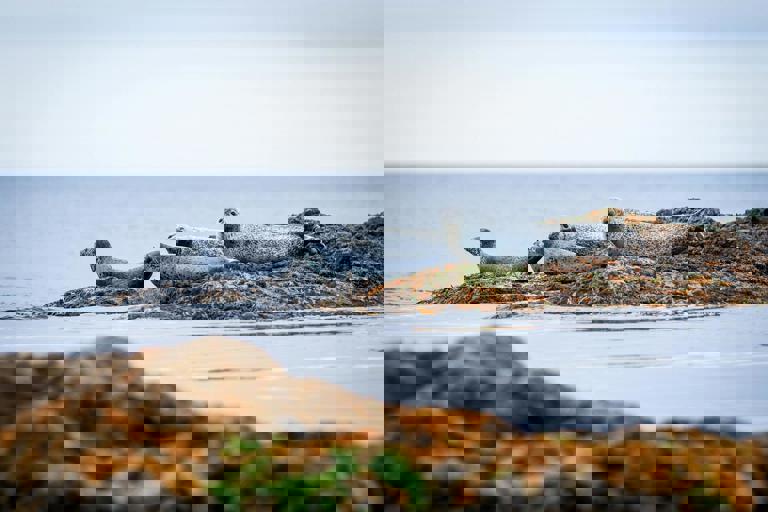
Early risers on the water were treated to a rare spectacle this Tuesday morning, as a group of local kayakers rowing off the coast encountered a playful pod of harbour seals. The seals surfaced curiously among the small flotilla, to the paddlers’ delight, sparking a flurry of excitement and camera snaps. Such close encounters are unusual and turned an ordinary morning exercise into an unforgettable wildlife adventure.
Eyewitnesses described the seals as unafraid and inquisitive, weaving between kayaks and even occasionally balancing their heads above water to observe the paddlers. “It was magical,” said Anita Carpenter, a regular kayaker, who captured a sequence of photos now trending online. “They seemed just as interested in us as we were in them. You could see their whiskers twitching in the sunlight.”
Wildlife experts confirm that harbour seals do reside in national waters, though sightings so close to popular recreational routes are infrequent. Dr. Tom Bradley, marine biologist with the South Coast Sea Life Trust, explained, “Harbour seals are naturally cautious, often preferring quieter stretches of coastline. The presence of multiple individuals in a playful group setting is an indicator of a healthy, undisturbed population.”
As news of the seals’ appearance spread, social media exploded with images and first-hand accounts. Local Facebook and Instagram pages featured kayakers’ photos of glistening seal heads and whiskery faces peeking above the early morning waves. Many commenters from the broader community expressed both envy and joy, viewing the event as a much-needed dose of charm amid daily routines.
For regular paddlers, such encounters are considered the highlight of outdoor excursions. Some, like seasoned kayaker Jill Thompson, emphasised the importance of respectful wildlife interactions. “We make sure not to chase or crowd them,” she noted. “Watching from a quiet distance allows the seals to approach us on their own terms. It’s about mutual curiosity and coexistence.”
Recent studies estimate the British harbour seal population at around 45,000, with numbers slowly recovering following past decline due to disease and habitat disturbance. Marine conservation groups advise that the public’s growing interest in coastal wildlife must be balanced with the need to maintain minimal human impact. Seasonal guidelines recommend keeping at least 50 metres distance from resting or swimming seals.
While kayakers basked in the glow of their unique morning, conservationists seized the moment to promote local marine awareness. “Events like these are the perfect opportunity for education,” asserts Sarah Lane, coordinator with the Coastal Wildlife Partnership. “We encourage sharing photos and stories, but also urge everyone to remember that seals, though cute, are wild animals deserving of space and respect.”
Harbour seals are known for their intelligence and playful behaviour, often described by researchers as social yet wary. Encounters like this provide rare insight into their relaxed side, suggesting a positive outcome from ongoing protective efforts. “Seeing this level of comfort near people means our stewardship is paying off,” Dr. Bradley added. However, he cautioned against complacency, noting that environmental pressures remain significant.
Local authorities have reminded the public that such wildlife appearances, although delightful, carry a responsibility. Notices at popular beaches this week reiterated guidance on how to watch seals safely, emphasising the importance of keeping noise low and avoiding sudden movements. The Harbour Authorities Office spokesperson commented, “We want these seals to remain frequent visitors. Respectful observation is key to ensuring their continued return.”
As the novelty of the encounter settles in, local businesses and nature groups are already considering ways to support marine education programmes and promote responsible ecotourism. The unexpected visit from these charismatic seals has proven more than just a thrilling morning for kayakers. It has provided a charming reminder of the unique wildlife found off our shores and the shared duty to protect it for generations to come.